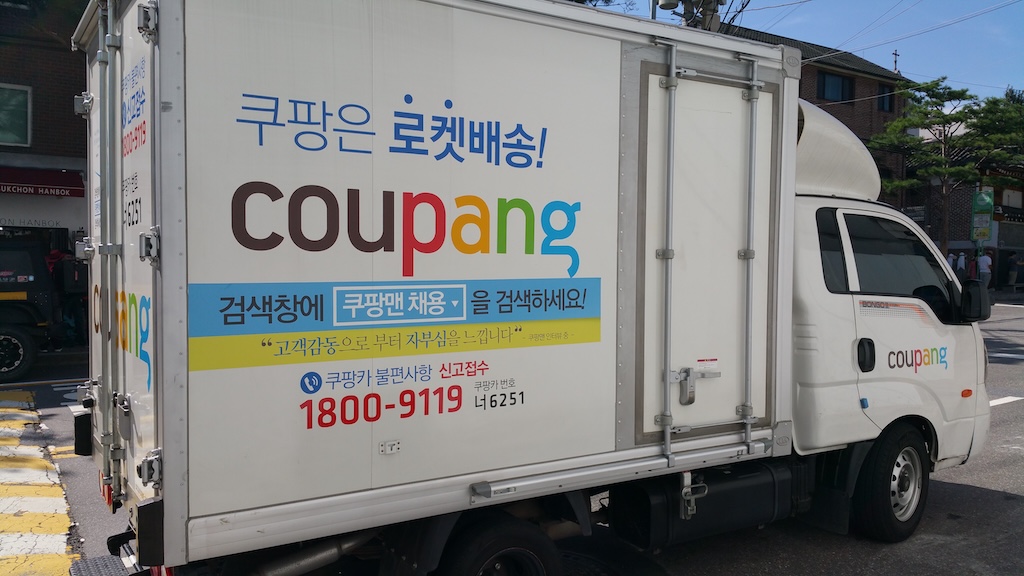
Coupang CEO Resigns Following Data Breach at South Korean Retailer
South Korea’s largest online retailer, Coupang, announced the resignation of CEO Park Dae-jun following a massive data breach that exposed personal information from more than 33 million customers. The breach, believed to have begun in June, compromised names, email addresses, phone numbers, shipping details, and some order histories. In response, Coupang issued a public apology, pledged to bolster its security posture, and appointed Harold Rogers - chief administrative officer of its U.S. parent company - as interim CEO.
The incident has triggered widespread public backlash, prompting a government investigation and a police raid of the company’s Seoul offices. This breach, considered one of the worst in South Korea’s history, has elevated concerns around corporate accountability and data protection standards in the region. The government has vowed strict action if violations are uncovered, underscoring the increasing regulatory pressure on companies that handle sensitive customer data. Coupang now faces a long road to rebuilding trust, strengthening its systems, and demonstrating compliance with evolving security expectations.
Events like this highlight why end-to-end monitoring - from network to application to infrastructure - backed by a unified data lake is no longer optional. Fragmented visibility creates blind spots where breaches can persist undetected for months, amplifying damage. When attacks reach this scale, the consequences can be devastating: CEO departures, costly litigation and settlements, severe reputation damage, regulatory fines, and extensive forensic investigations. A unified, full-stack monitoring and data architecture with a platform like NIKSUN enables earlier detection, faster incident response, and a stronger security posture - ultimately protecting both customers and the business.
Read more about this story on our LinkedIn page